Cleaning agents serve critical functions across light industry, residential care, commercial catering, transportation, and heavy industrial sectors. High-performance formulations rely on 15 distinct categories of chemical building blocks—including surfactants, biocides, acids, alkalis, solvents, and chelating agents. Matching target substrates with precise chemical balances ensures optimal dirt dispersion, structural maintenance, and high-efficiency surface decontamination.
Modern cleaning applications extend far beyond basic detergent blending. They require an intricate understanding of surface chemistry and material compatibility to eliminate contaminants while protecting underlying structures. From heavy-duty metal de-oiling to high-purity solar panel washing, cleaning configurations utilize active chemical raw materials to deliver targeted interfacial modifications.
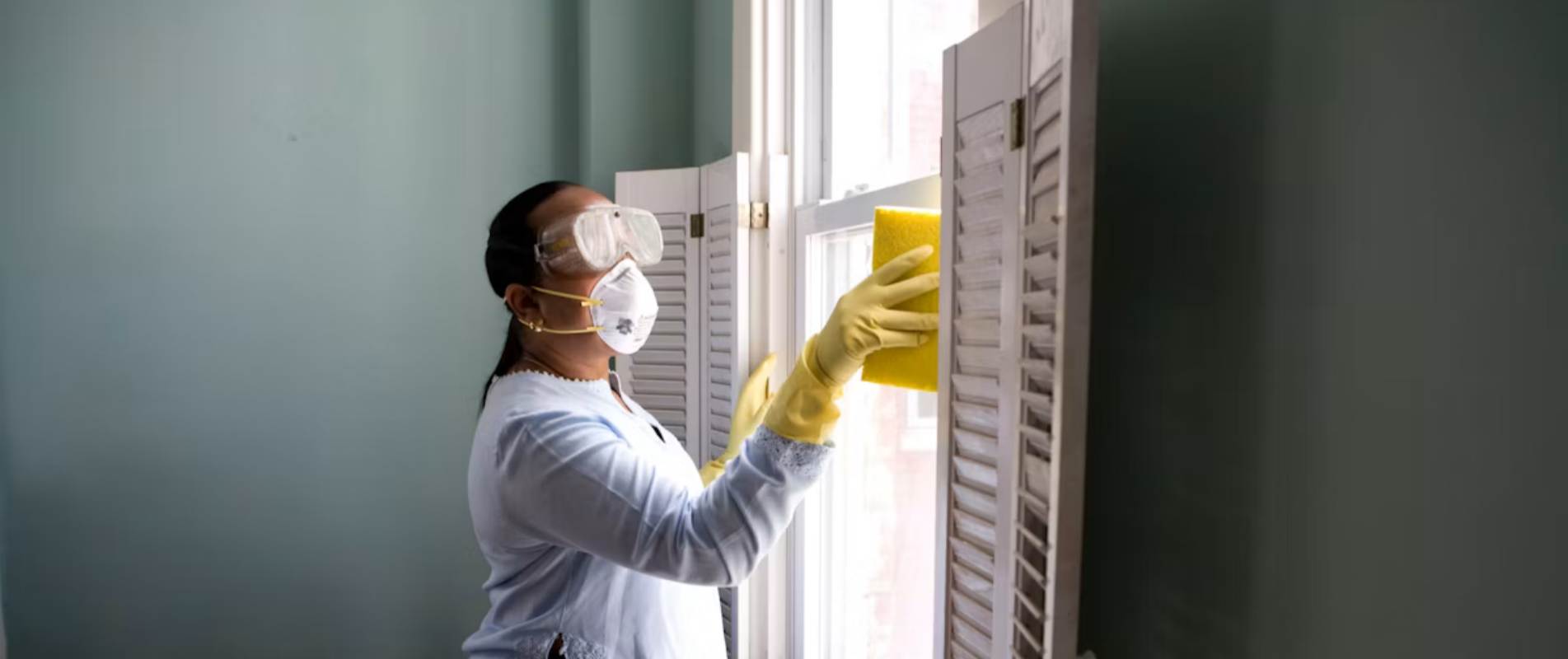
Aimed at cleaning, maintaining, and protecting rigid substrates within buildings and industrial facilities. This includes floors, walls, furniture, glass, and specialized stone, wood, or metal surfaces. Formulations frequently feature surfactants for dirt suspension, polymers for gloss, and targeted sanitizers. Highly specialized disinfectants incorporating compounds like o-phenylphenol or p-tert-amylphenol are utilized in hospital and hospitality sectors to eliminate robust pathogens like Mycobacterium tuberculosis, Staphylococcus aureus, and Salmonella.
Deals with removing heavy baked-on greases and organic proteins from commercial glassware, plates, utensils, ovens, and grills. While manual washing remains common, massive volumes of chemical agents are consumed via automated commercial dishwashers. These setups rely on a continuous chemical loop involving automated dishwashing detergents, specialized rinsing aids, high-efficiency biocides, and accelerating drying agents.
Covers interior and exterior cleaning for cars, trucks, buses, trains, aircraft, and marine vessels. Fleet truck formulations alternate between alkaline and acidic streams depending on heavy dirt matrices, though aluminum alloy surfaces strictly require alkaline agents. Train exterior washers incorporate organic and inorganic acids blended with non-ionic surfactants to remove stubborn rail dust. Aircraft cleaning demands the highest technical standards to ensure structural integrity and safety; these heavy-duty cleaners must meet strict aviation material standards to strip heavy soils without causing micro-fissures or hydrogen embrittlement.
Essential for preparing metal surfaces, plastic substrates, storage tanks, chemical filters, and oilfield machinery before processing or coating. For instance, metal substrates must be completely freed of manufacturing lubricants and cutting fluids via solvent-based or alkaline cleaning lines to ensure proper paint adhesion. Industrial metal cleaning splits into two primary processes: Rust Removal (conducted under precise acidic conditions to dissolve metal oxide layers and insoluble boiler pipe scales) and Degreasing (executed under robust alkaline conditions to emulsify and lift stubborn oil matrices).
Advanced cleaning chemical configurations have become critical in high-precision sectors, including textile manufacturing, flat-panel displays (FPD), and photovoltaic solar cell production. Furthermore, maintaining biosecurity and water clarity in institutional spaces like public swimming pools, cleanrooms, professional laboratories, and climate-controlled storage vaults requires consistent sanitation through reliable water treatment and biocidal compounds.
To assist formulation chemists and chemical procurement managers, the technical teams at Zhengzhou Clean Chemical and Henan Tokai Chemical have mapped out the foundational chemical frameworks across major application fields:
| Cleaning Category | Target Soils & Substrates | Primary Chemical Requirements | Core Chemical Building Blocks |
|---|---|---|---|
| Industrial Metal Care | Oxide scales, rust, heavy greases, industrial cutting fluids. | Acidic rust dissolution & alkaline oil emulsification. | Inorganic/organic acids, heavy alkalis, corrosion inhibitors, core surfactants. |
| Commercial Kitchens | Baked-on carbon, proteins, animal lipids on metal and glass. | High-temperature stability, rapid rinsing, structural sanitation. | Alkaline builders, chelating agents, low-foaming surfactants, rinse biocides. |
| Hospitality & Institutional | Environmental pathogens, hard surface grime on floors and walls. | Broad-spectrum pathogen eradication and streak-free wetting. | Specialized biocides (phenolic derivatives), wetting agents, thickeners. |
| Transportation & Fleets | Road grime, exhaust carbon, rail dust on alloys and composites. | Substrate-safe soil lifting, aviation-grade material compatibility. | Alkaline builders (for aluminum), organic acids, wetting agents. |
| High-Tech & Environmental | Photovoltaic silicon residue, swimming pool biological films, cleanrooms. | Ultra-pure particle removal, zero residue, continuous microbial sterilization. | High-purity solvents, active sanitizers (TCCA / SDIC), specialized stabilizers. |
A: Heavy road grimes, exhaust deposits, and metallic rail dust require specific chemical pathways for removal. Inorganic and organic acids are necessary to break down iron oxide rail dust on trains, while aluminum alloy bodies on commercial vehicles require carefully buffered alkaline formulations to lift grease without corroding or etching the metal substrate.
A: Active chlorine donors, such as Trichloroisocyanuric Acid (TCCA) and Sodium Dichloroisocyanurate (SDIC), provide highly concentrated oxidizing power. They quickly destroy biological films, viruses, and bacterial colonies, making them essential for sanitizing institutional water systems, commercial pools, and food processing spaces.
Copyright © 2013 ZHENGZHOU CLEAN CHEMICAL CO.,LTD | 郑州市克林化工有限公司 All rights reserved