
[Summary] Anionic surfactants represent the oldest, largest, and most widely utilized category in the surfactant industry due to their excellent emulsification, foaming, and decontamination properties. This comprehensive guide breaks down the chemical classification, performance attributes, and diverse industrial applications of anionic surfactants. Learn how Zhengzhou Clean Chemical Co., Ltd. and its subsidiary Henan Tokai Chemical Co., Ltd. power global supply chains with premium-grade detergent and water treatment solutions.
Quick Insights for Procurement & Engineers:
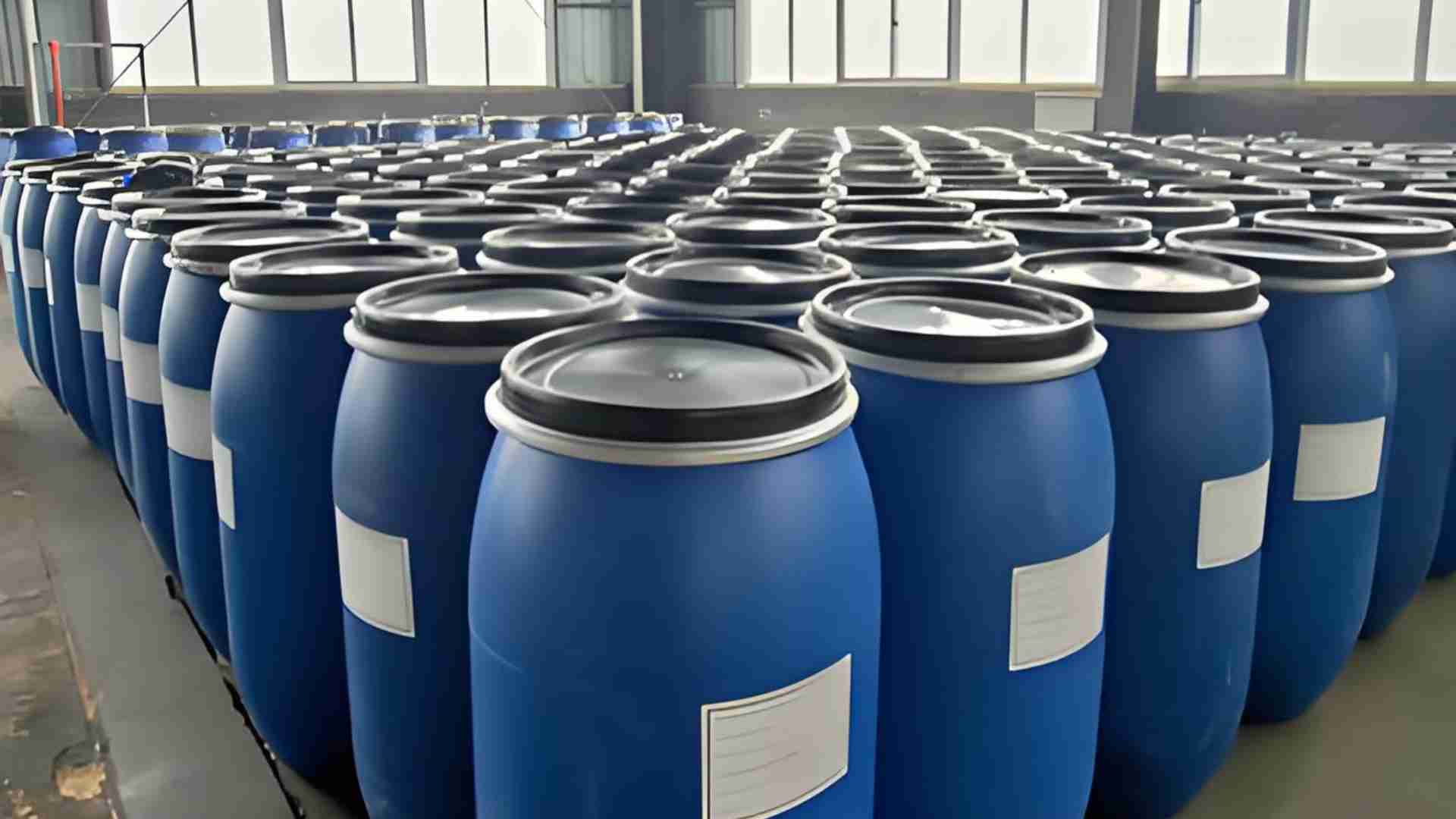
To assist chemical engineers and global buyers in precise formulation design, the table below contrasts the mainstream anionic surfactants discussed in this guide:
| Category | Key Raw Material | Bond Type | Core Strengths | Limitations |
|---|---|---|---|---|
| Sulfonates | LAS (Sodium Dodecylbenzene Sulfonate) | C-S Bond | High foaming, cost-effective, strong detergency on particulate/oil soils. | Sensitive to hard water, strong degreasing effect. |
| FMES (Sulfonated Methyl Ester Ethoxylate) | C-S Bond | All-around performance, unparalleled oil degreasing and dispersion. | Low foam profile, limited in high-foam personal care. | |
| Sulfate Esters | SLS / K12 (Sodium Lauryl Sulfate) | C-O-S Bond | Excellent wetting, emulsifying, and immediate rapid foaming. | Prone to hydrolysis in acids; slightly harsh on sensitive skin. |
| SLES / AES (Sodium Lauryl Ether Sulfate) | C-O-S Bond | Superb hard water resistance, easily thickened by salts, highly mild. | Lower stability in acidic media (Requires pH > 4). | |
| AOS (Alpha-Olefin Sulfonate) | C-S Bond | Excellent spray-drying compatibility, outstanding hard water tolerance. | Strong viscosity-reducing effect in liquid applications. |
General Formula: RSO₃M (where M is typically Sodium). This group exhibits phenomenal resistance to acids, alkalis, and hard water compared to traditional soaps.
Sodium dodecylbenzenesulfonate (LAS): As a neutral, highly stable anionic surfactant, LAS is the absolute workhorse for liquid, powder, and granular detergents. It thrives at higher washing temperatures, making it unbeatable for natural fiber cleansing. However, due to its aggressive degreasing nature and hard water sensitivity, it is universally formulated alongside chelating agents or non-ionic surfactants like Fatty Alcohol Ethoxylates (AEO).
FMES (Ethoxylated fatty acid methyl ester sulfonate): Synthesized by sulfonating fatty acid methyl esters with an EO count of 7. It offers unmatched grease stripping capabilities, making it a stellar component for industrial degreasers and heavy-duty cleansers, though its low foam character keeps it out of traditional personal care lines.
Fatty Acid Soaps: Manufactured from blended carbon-chain fatty acids to achieve balanced detergency and emulsification. Their primary drawbacks include poor resistance to hard water and acids, causing free fatty acids to precipitate and eliminate emulsification properties in low pH environments.
Sodium Stearate: Possessing an HLB value of 18, it serves as the foundational structural base for solid toilet soaps and acts as a key emulsifier in cosmetic vanishing creams.
Sodium Laureth-11 Carboxylate: Synthesized via sodium chloroacetate and fatty alcohol polyethers. It delivers superior water solubility, bypasses electrolyte interference, and functions perfectly as a hair conditioner and premium thickener.
The defining structural trait of Sulfate Esters is that the hydrophilic group is linked via a C-O-S bond (unlike the direct C-S bond in sulfonates), meaning they undergo hydrolysis more easily under acidic conditions.
SLS / K12 (Sodium lauryl sulfate): White or light-yellow powder/needle form. Renowned for its robust cleaning and instant foaming profiles in industrial processing and personal care bases.
SLES / AES (Sodium lauryl ether sulfate): Ethoxylated for ultimate performance. SLES is highly prized in the daily chemical industry for its extreme mildness to skin barriers, excellent hard-water emulsification, and effortless salt-thickening properties. Formulation control note: maintain system pH significantly above 4.0 to guarantee structural stability.
Synthesized by condensing fatty acids with amino acids, these premium surfactants feature exceptional biological degradability and complete skin compatibility. Sodium Lauroyl Sarcosinate is a prime example, providing dense, creamy foam and gentle cleansing action for high-end personal cosmetics and specialty body washes.
Composed of monoesters (water-soluble) and diesters (oil-soluble/emulsified states), commercial offerings are typically balanced blends. Potassium Cetyl Phosphate acts as a top-tier Oil-in-Water (O/W) emulsifier, offering excellent stability, rich foam, and controlled, gentle cleansing for advanced dermatological formulations.
The application of anionic surfactants extends far beyond everyday household detergents. In large-scale industrial water treatment, oilfield reinjection water systems, and industrial circulation loops, the dispersion and emulsification capabilities of surfactants are critical. They prevent organic fouling, assist in pipeline sludge dispersion, and act as synergistic agents with water treatment biocide-scalecides.
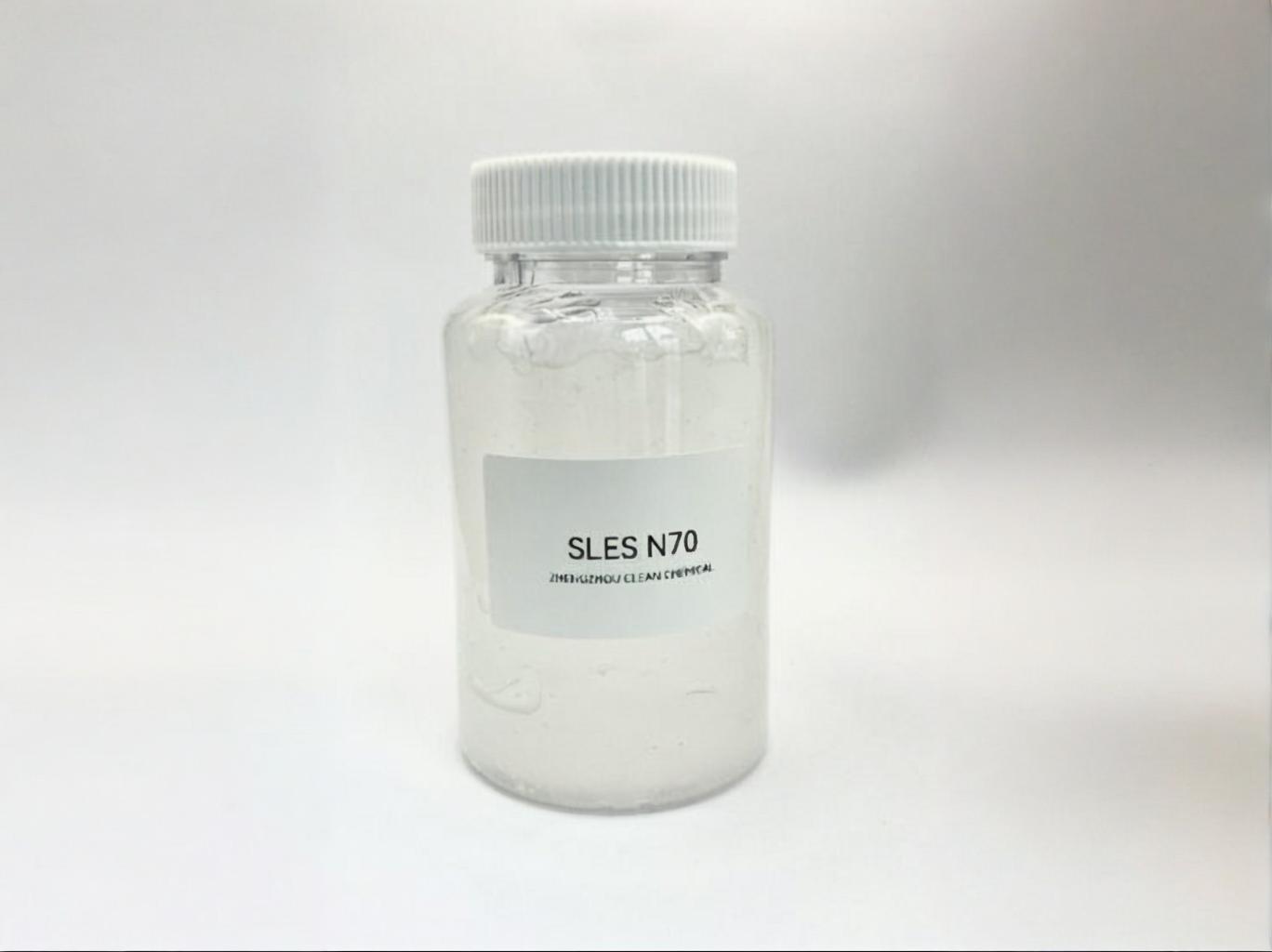
Navigating international chemical sourcing requires a reliable, integrated manufacturing partner capable of fulfilling rigorous technical standards.
By synergizing our parent-subsidiary capabilities, we deliver fully unified shipping, consistent quality assurance batches, and highly optimized ocean freight logistics for global chemical distributors.
Q1: Why does SLES require a pH value greater than 4 in formulations?
A: SLES belongs to the Sulfate Ester group, which possesses a C-O-S molecular linkage. This specific bond is susceptible to acid-catalyzed hydrolysis. Maintaining the formulation pH well above 4 ensures the longevity, viscosity, and performance of the liquid detergent.
Q2: How can buyers overcome the hard water sensitivity of LAS?
A: While LAS has unparalleled detergency on particulates and oils, its performance drops in hard water. Global manufacturers routinely overcome this by blending LAS with chelators (like EDTA, STPP) or co-surfactants such as Fatty Alcohol Ethoxylates (AEO) or SLES supplied by Zhengzhou Clean Chemical.
Q3: Can water treatment chemicals and detergent bases be shipped in combined containers?
A: Absolutely. Through the integrated operations of Zhengzhou Clean Chemical and Henan Tokai Chemical, we specialize in consolidated container loading (FCL/LCL). You can combine SLES/SLS with TCCA/SDIC water treatment agents under a single, streamlined customs and logistical operation.
Are you looking for updated FOB/CIF price charts, premium chemical samples, or custom formulation assistance? Get in touch with our commercial and technical teams today:
| 🏢 ZHENGZHOU CLEAN CHEMICAL CO., LTD. (Detergent & Base Chemicals) 📧 Email: info@cleaningent.com 🌐 Website: www.zzcleanchem.com |
💧 HENAN TOKAI CHEMICAL CO., LTD. (Water Treatment Chemical Products) 📧 Email: info@hntktcca.com 🌐 Website: www.hntktcca.com |
| 📞 Direct Fast Response Channels: 📲 WhatsApp: 0086 15638803071 💬 WeChat: 15638803071 | |
Copyright © 2013 ZHENGZHOU CLEAN CHEMICAL CO.,LTD | 郑州市克林化工有限公司 All rights reserved